Career Outlooks
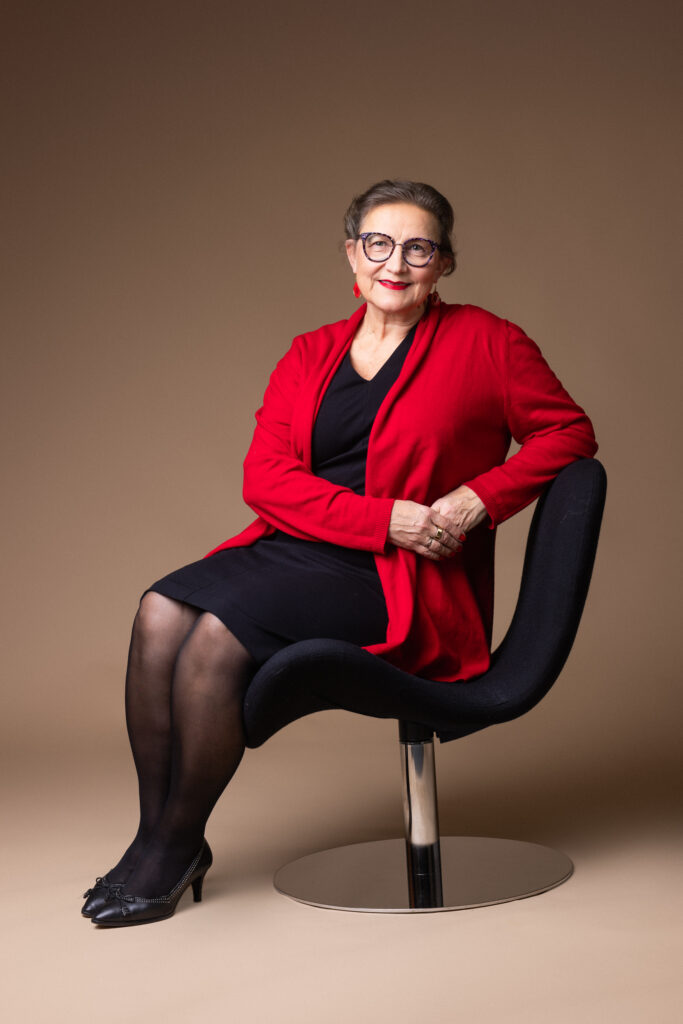
As I near retirement, it is both rewarding and humbling to reflect on my professional journey. My career began at a very young age. My father, an entrepreneur, initially operated his office from our dining room. I started helping out by answering the phone—though it was sometimes confusing when callers spoke languages I didn’t understand. Eventually, the office moved nearby, and my siblings and I were drawn even more into the world of work. By the age of seven or eight, I was taking my turn cleaning the office every couple of weeks. Today, this would be considered child labor, but for us, it was simply a way to contribute and learn the value of work. It taught me early on where money really comes from.
After finishing school, I enrolled at the Helsinki School of Economics, with the ambition of pursuing an international career. While I had nearly completed my coursework, I seized an opportunity to work in a travel agency. I saw it as a chance to earn money while completing my studies, but it quickly turned into a thrilling experience. The travel industry opened up a whole new world. I travelled extensively—sometimes even being paid to do so—made lasting friendships, and enjoyed the independence that came with earning my own income. However, the early 1990s economic depression hit the travel sector hard. After nearly 14 exciting yet challenging years, I decided it was time for a change.
Thanks to my father, I was able to take a sabbatical in my late 30s and reflect on what I wanted to do next. I had always been interested in IT and computers, even briefly considering engineering back in school. With some training, I transitioned into a consultant role at a large Japanese-owned IT company. I hoped a global company would allow me to fulfill my dream of working internationally. While I held several interesting positions over the years, true international opportunities never materialized.
Then in 2007, a colleague suggested I run as a candidate for the European Works Council (EWC). I was told it involved representing employees from across Europe and meeting with company management a few times a year to discuss matters affecting European business. I saw it as a long-awaited chance to make international connections—and I was elected. Soon I realized the EWC was not just an internal body but one grounded in EU directives. I had unknowingly stepped into the world of labor union work.
When a corporate merger terminated our EWC agreement, I helped initiate negotiations for a new one. Over the course of four years, I worked with representatives from across Europe to develop a new agreement under EU directives and German law. It tested my negotiation skills like never before—but also became one of the most intense learning experiences of my life. In the end, when the company’s lawyer called us “frenemies”—friends but also adversaries—I took it as a compliment. It meant we had held our ground and earned respect.
In 2013, I was elected as a shop steward—an employee representative. This role completely transformed my career. Suddenly, I was negotiating directly with management on a wide array of topics. I had to quickly master labor law, collective agreements, and local negotiation strategies. I worked on salary adjustments, supported employees facing layoffs or temporary furloughs, and sought to make decisions that served both our employees and the company. The deeper I got, the more fascinated I became. It’s often said that an employee representative must be a psychologist, lawyer, and economist all at once—and some days that still feels like an understatement.
Alongside my company duties, I became active in national labor movements and held roles in various organizations, including Suomen Ekonomit, Helsingin Ekonomit, YTN, Teollisuuden Palkansaajat, and Kaute Foundation. These roles gave me a broad understanding of Finnish work life and the importance of advocacy in shaping fair labor policies. I came to realize how much the future of employees depends on those who dedicate their time and effort to influencing decision-makers.
Over the years, I’ve experienced numerous redundancy negotiations, losing many talented colleagues. But I’ve also participated in development programs that improved employee benefits and strengthened their voice within the company. Today, I am part of our leadership team as an employee representative. I share the same information and responsibilities as other leaders—and I am trusted by both management and employees. My guiding principle has always been this: decisions must support the health of the company, because when the company thrives, so do its employees.
I feel a quiet sadness knowing that my time in this role is drawing to a close. But I hope I have supported and comforted my colleagues during difficult times, and that I’ve made a meaningful difference in making our company a better place to work. And hopefully in the future there will be more employee representatives with Business Administration degree as it benefits all employees when their representatives understand the finances and leadership.
Writer profile:
- Name: Liisa-Johanna Pesonen
- Current position: Head of Employee representatives
- Role in Helsingin Ekonomit: Member of Board
- Studies: Bachelor of Business administration (Leadership and administration), Helsinki School of Economics and Business Administration
- Interests: Employee Experience, Wellbeing and Labour relations
- Hobbies: travelling, knitting, cooking, urban cabin life